Ebonyi LGA
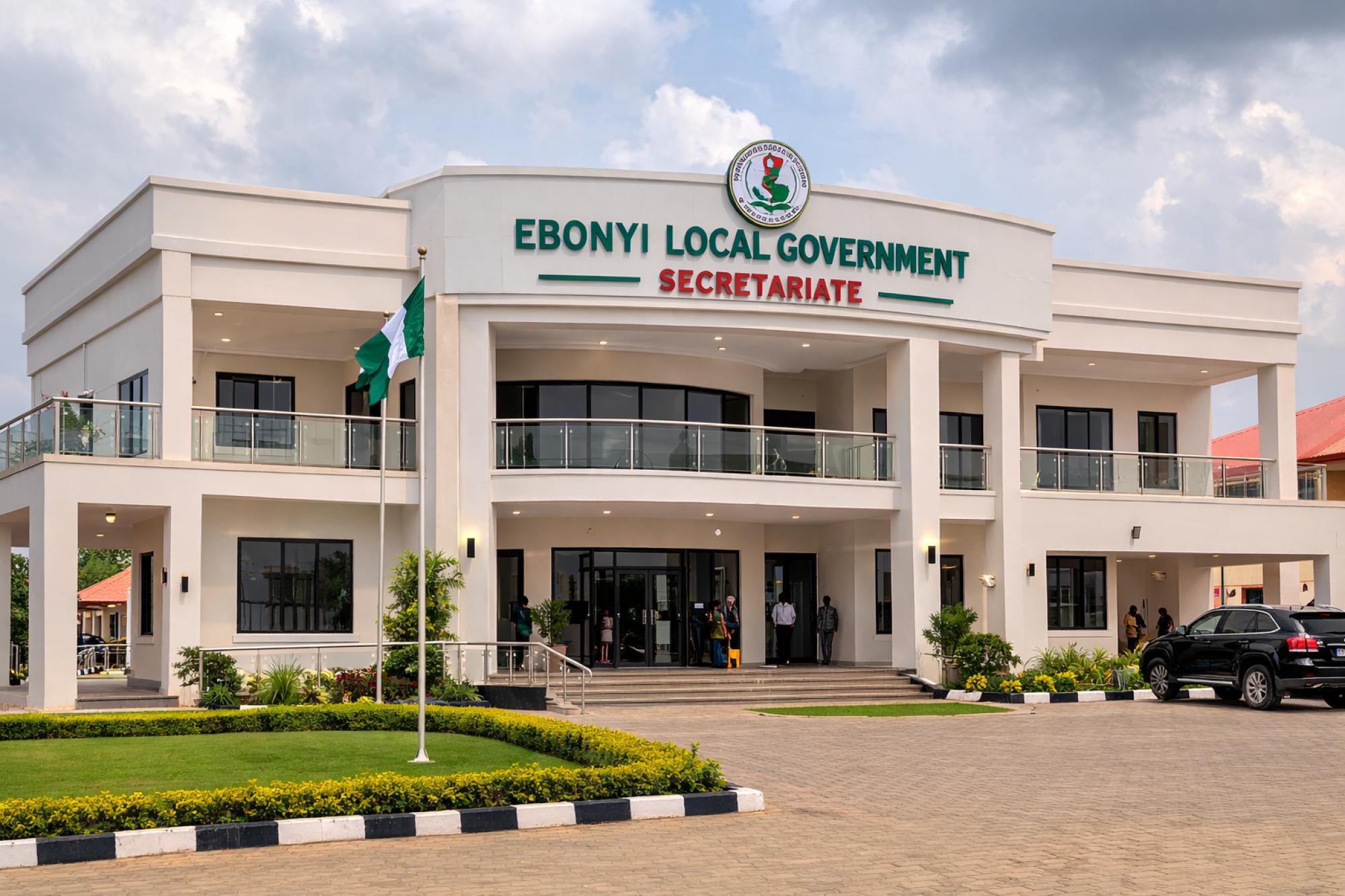
Local Government in Nigeria
Nigeria operates a three-tier system of government comprising the Federal Government, the 36 State Governments, and 774 Local Government Areas (LGAs). The Local Government is the third tier of governance and, by constitutional design, the tier closest to the people. It represents the most direct channel through which citizens can engage with democratic governance, participate in decision-making, and access public services.
Enshrined in Chapter 1, Part II of the 1999 Constitution of the Federal Republic of Nigeria (as amended), Local Government Councils are created to ensure democratic governance at the grassroots level. Section 7(1) guarantees their existence, their democratically elected leadership, and defines their functions in the Fourth Schedule of the Constitution.
The Fourth Schedule assigns Local Government Councils critical responsibilities including:
- Provision and maintenance of primary education
- Development of agriculture and natural resources
- Provision and maintenance of health services (primary healthcare centres)
- Construction and maintenance of local roads, streets, drains, parks, and open spaces
- Assessment and collection of local taxes, rates, and fees
- Establishment and maintenance of cemeteries, public conveniences, and refuse disposal
- Registration of births, deaths, and marriages
- Control and regulation of outdoor advertising, movement of livestock, and local markets
- Naming of roads and streets, and numbering of houses
In a landmark ruling in June 2024, the Supreme Court of Nigeria affirmed the financial autonomy of Local Government Areas, directing that all allocations from the Federation Account be paid directly to LGA accounts rather than through state governments. This historic judgment reinforced the constitutional position of LGAs as independent centres of governance and development at the grassroots level.
The Local Government Chairman serves as the Chief Executive of the council, presiding over the executive arm and working alongside elected Councillors who form the legislative arm. Together, they oversee the planning, budgeting, and execution of local development programmes.
The Executive Arm
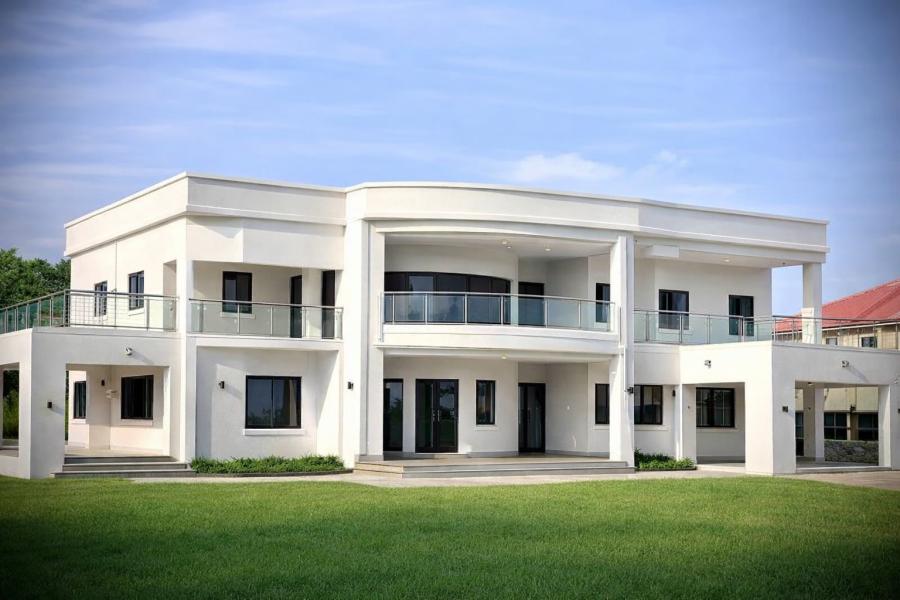
The Executive Arm of the Local Government is headed by the Executive Chairman, who serves as the Chief Executive Officer. The Chairman is assisted by the Vice Chairman, Supervisory Councillors appointed to oversee key departments, the Secretary to the Local Government, and career civil servants who manage day-to-day administration. Together, they plan and implement development projects, manage local finances, and deliver public services to the communities.
The Legislative Arm
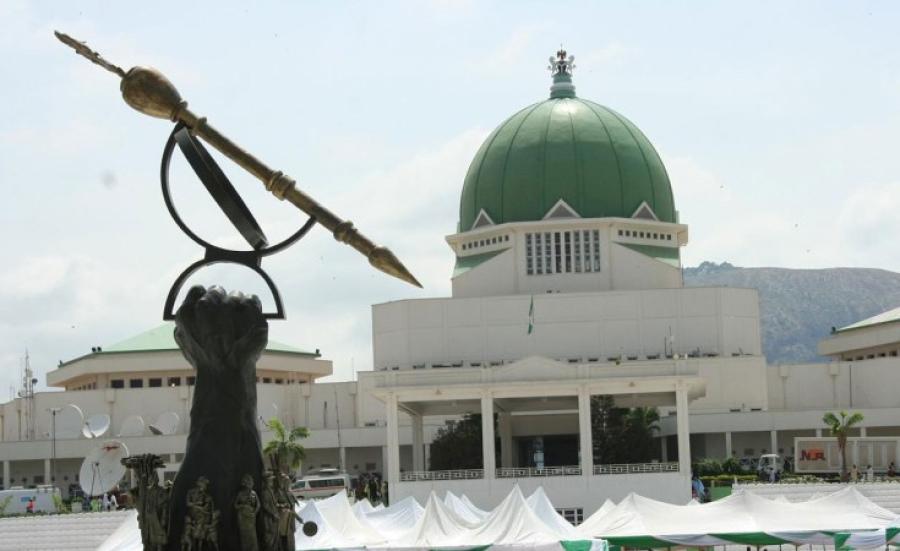
The Legislative Arm consists of elected Councillors representing each electoral ward. The council is presided over by the Leader of the Council, assisted by the Deputy Leader. The Councillors make bye-laws, approve the council's annual budget, exercise oversight over the executive, and serve as the direct voice of the people in local governance. Each Councillor is the primary representative of their ward's interests, concerns, and aspirations.
About Ebonyi Local Government Area
Ebonyi Local Government Area is one of the 13 local government areas that make up Ebonyi State, in the South-East geopolitical zone of Nigeria. It was created in 1996 alongside the creation of Ebonyi State from the former Abakaliki Local Government Area of the old Enugu State. The LGA shares its name with the state and the Ebonyi River, which flows through the region.
With its administrative headquarters at Ugbodo, Ebonyi LGA encompasses a rich tapestry of communities, clans, and villages that share deep cultural bonds rooted in the Igbo heritage. The area is predominantly agrarian, with the people renowned for their industriousness in farming — particularly rice cultivation, yam production, cassava farming, and vegetable gardening. The fertile floodplains of the Ebonyi River make the area one of the most productive agricultural zones in the state.
Ebonyi LGA is strategically located, sharing boundaries with Abakaliki LGA to the north, Ishielu LGA to the west, Afikpo North LGA to the east, and Ezza South LGA to the south. This central positioning makes it a gateway to the state capital — Abakaliki — and a hub for commerce and socio-cultural activities within the state.
The people of Ebonyi LGA are known for a strong sense of community, cultural heritage, and civic engagement. Major cultural festivals, traditional institutions, and communal practices continue to thrive, maintaining the social fabric that binds the communities together.
Electoral Wards
Ebonyi Local Government Area is made up of 13 electoral wards, each represented by an elected Councillor in the Local Government Legislative Council. These wards are the primary units of political representation and community organisation at the grassroots level.
Abakpa Ward
Representing the Abakpa community and its surrounding settlements.
Abofia Ward
Serving the Abofia community, known for its rich cultural heritage and communal spirit.
Agalegu Ward
Covering the Agalegu community and its environs.
Echiaba Ward
Representing the Echiaba community, a significant settlement area in the LGA.
Egwudinagu Ward
Serving the Egwudinagu community and surrounding villages.
Enyibichiri Ward I
Covering the first division of the Enyibichiri community.
Enyibichiri Ward II
Representing the second division of the Enyibichiri community.
Kpirikpiri Ward
Covering Kpirikpiri and its surroundings, a vibrant urban centre in the LGA.
Mbeke Ward
Serving the Mbeke community, known for agriculture and strong communal bonds.
Ndiagu Ward
Representing the Ndiagu community and its environs.
Ndiebor Ward
Covering the Ndiebor community, a key settlement area in the LGA.
Onuenyim Ward
Serving the Onuenyim community and surrounding areas.
Urban New Layout Ward
Covering the Urban New Layout area, a modern residential and commercial zone.
Administrative Structure
The administration of Ebonyi LGA is divided into the Executive Arm and the Legislative Arm, both working in tandem to deliver good governance, social services, and infrastructure to the people. The bureaucratic structure of the council is staffed by career civil servants organised into functional departments.
Key Departments & Functions
Administration & General Services
Oversees human resources, staff welfare, correspondence, and general council administration.
Finance & Supply
Manages council revenue, budgeting, expenditure, procurement, and financial accounting.
Primary Healthcare
Coordinates primary healthcare delivery, immunisation programmes, and maternal & child health services.
Education
Manages primary schools, adult literacy programmes, and educational development within the LGA.
Works & Housing
Handles local infrastructure — roads, drains, public buildings, and housing estate projects.
Agriculture & Natural Resources
Promotes agricultural extension services, supports farmers, and manages natural resource development.
Community Development & Social Welfare
Drives grassroots mobilisation, community engagement, women and youth empowerment programmes.
Revenue & Tax
Oversees internally generated revenue collection — market levies, property rates, and licensing fees.
Key Facts & Figures

The Office of the Executive Chairman — Prince Chinedu Augustine Uburu — is committed to strengthening grassroots democracy, upholding transparent governance, and delivering transformative development that reflects the hopes, unity, and progress of the people of Ebonyi Local Government Area.